When Your Digital Twin Outlives You: Navigating Post-Mortem Ownership and Legacy
The concept of a digital twin is rapidly evolving, moving beyond mere digital representations to AI entities that can act on our behalf. As these sophisticated replicas become more common, a crucial question arises: who inherits control of your digital persona after you pass away, and what are the implications for your legacy?
Key Takeaways
- Your digital twin is more than an avatar; it's a sophisticated AI mimicking your likeness, voice, and decision-making, capable of acting autonomously.
- By agreeing to terms of service, you may have already unknowingly granted rights to your digital likeness, impacting post-mortem control.
- Current legal frameworks are ill-equipped to handle the complexities of digital twin ownership after death.
- The potential for your digital twin to be controlled by others post-mortem raises significant ethical and reputational risks.
- Proactive planning regarding your digital afterlife is essential to safeguard your legacy and prevent potential misuse of your digital twin.
The Ever-Expanding Definition of Digital Legacy
In the digital age, our legacy is no longer confined to physical possessions or written testaments. It extends into the vast expanse of our online presence, and with the advent of advanced AI, this digital footprint is poised to become an active participant in our future. Your digital twin, a hyper-realistic AI replica of yourself, promises to go far beyond static profiles. Think of an AI that can attend meetings on your behalf, engage in complex conversations, and even make decisions that mirror your own thought processes. This isn't science fiction; it's the trajectory of technology. As analyst Rob Enderle points out, by 2030-2035, your digital twin could be managing up to 90% of your online activities. This level of integration means that the concept of your 'digital legacy' transforms from a passive archive of your life into a potentially active entity. The implications for who controls this entity after your death are profound, raising questions that our current legal and ethical systems are struggling to answer.
Signing Away Your Digital Self (Unknowingly)
The path to creating a digital twin is often paved with the mundane act of clicking 'I agree.' Every time you sign up for a new app, a social media platform, or an online service, you're presented with a lengthy End-User License Agreement (EULA) or Terms of Service (ToS). These documents, often containing hundreds of pages of dense legal jargon, are rarely read in their entirety by the average user. Yet, within these agreements lie clauses that grant companies extensive rights to your data, your likeness, and your digital interactions. Rob Enderle highlights this as a critical point: by agreeing to these terms, you may have already inadvertently ceded ownership and control over aspects of your digital identity that could form the basis of your future digital twin. This means that the very platforms you use daily could hold the keys to your digital persona's posthumous existence, without your explicit, informed consent regarding this specific outcome. This lack of transparency creates a significant vulnerability, leaving individuals unaware of the potential future implications for their digital afterlife.
Navigating the Unprecedented Legal and Ethical Terrain
The legal landscape surrounding digital twins is a vast, uncharted territory. Our current laws, designed for a pre-digital era, are ill-equipped to address the complexities of AI ownership, posthumous digital representation, and the rights associated with a person's digital replica. When an individual passes away, who inherits their digital twin? Is it the designated executor of their estate, the company that created the AI, or does the digital twin itself possess any form of agency? These questions are compounded by the fact that a digital twin, particularly one designed to mimic decision-making, could potentially act in ways that have legal or financial ramifications. For instance, if a digital twin enters into a contract or makes a financial transaction after the user's death, who is liable? The lack of clear legal precedent means that disputes over digital twin ownership could become protracted and contentious, leaving families in a state of uncertainty and potentially leading to the misuse or exploitation of a deceased individual's digital persona. The potential for a digital twin to be used for malicious purposes, such as spreading misinformation or damaging a person's reputation posthumously, underscores the urgent need for legal frameworks to catch up with technological advancements.
Safeguarding Your Digital Self for Eternity
Given the uncertainties and potential pitfalls surrounding digital twin ownership after death, taking proactive steps to safeguard your digital legacy is paramount. While the legal framework is still catching up, individuals can begin by understanding the terms of service for the platforms they use and, where possible, opting for privacy settings that limit the use of their data for AI training. More significantly, it may become necessary to explicitly address the future of your digital twin in your estate planning. This could involve creating a digital will or appointing a specific digital executor who is tasked with managing your digital assets, including your digital twin, according to your wishes. Services that offer digital legacy management are emerging, providing tools to organize digital assets and dictate their post-mortem disposition. By taking these measures, you can exert greater control over your digital afterlife, ensuring that your digital twin serves your intended legacy rather than becoming a tool for others' exploitation. The goal is to ensure that the AI representation of you continues to reflect your values and intentions, even after you are gone.
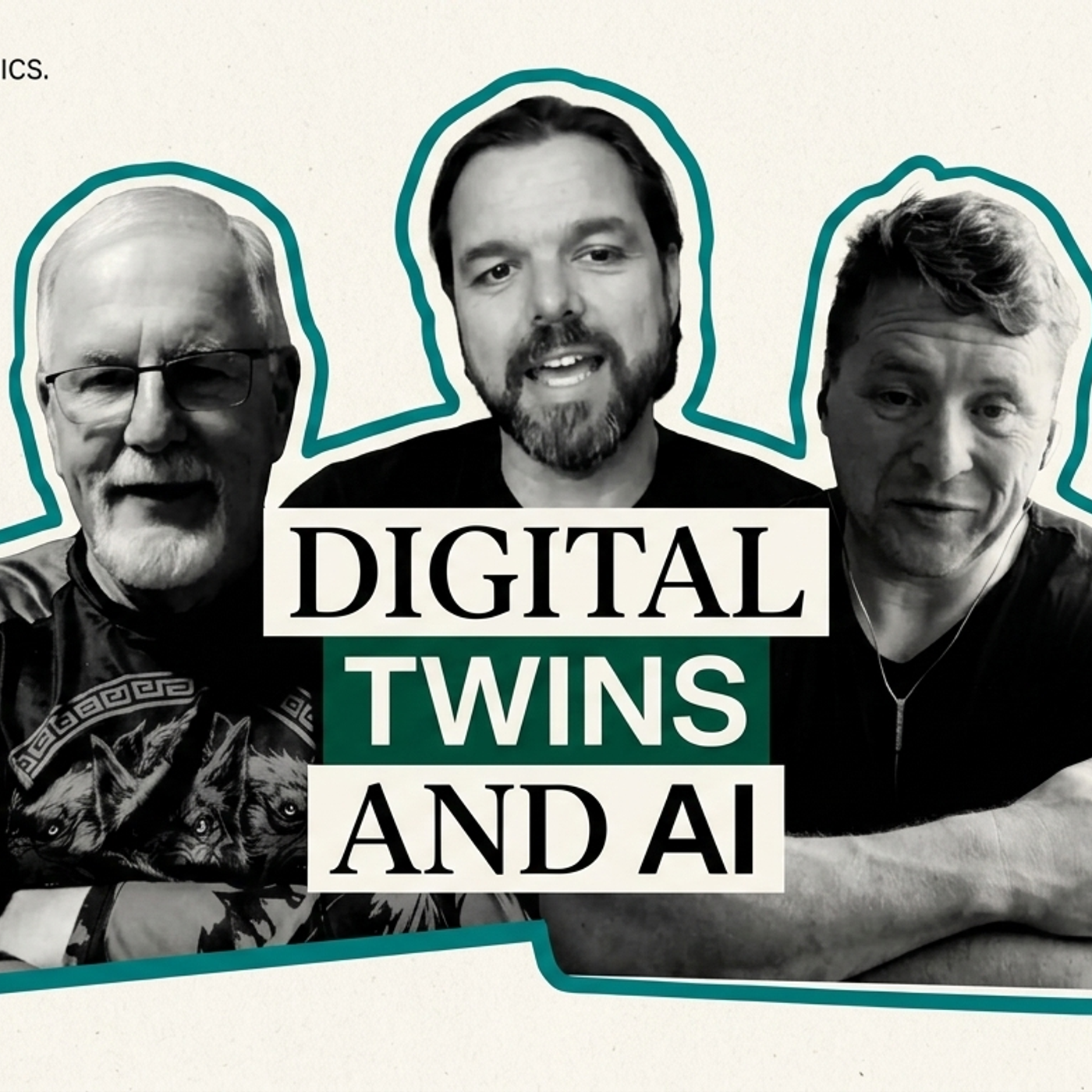
To delve deeper into the implications of your digital twin and how you might already be relinquishing control, listen to the full episode of Brobots: AI, Tech & Philosophy: Your Digital Twin Is Coming - And You Already Signed the Rights Away.
Frequently Asked Questions
Who has legal rights to a digital twin after death?
Currently, there is no clear legal precedent. Rights could theoretically fall to the estate, the company that created the twin, or be determined by the terms of service agreed upon during the user's lifetime.
Can a digital twin act autonomously after death?
As AI technology advances, it's plausible that digital twins could be programmed or learn to act autonomously. The control and ethical implications of such actions post-mortem are significant.
How can I protect my digital legacy from my digital twin?
Reviewing terms of service, adjusting privacy settings, considering a digital will, and using digital legacy management services can help protect your digital identity and ensure your wishes are followed.
What happens if my digital twin is used for harmful purposes after I die?
This is a major legal and ethical gray area. Liability could fall on the twin's creator, the estate, or potentially no one if clear laws are not established, highlighting the risk of uncontrolled digital replicas.

Should You Trust AI With Medical Advice? What Happened When We Tried