One Push-Up at a Time: A Power Lifter's Path to Sobriety

Are you struggling to find your path to recovery and wondering if exercise could be your answer? In this powerful episode, former Team USA athlete and exercise scientist Ben Nevares shares his raw journey from early addiction to international...

 Apple Podcasts

 YouTube

 Spotify

 Goodpods

 Overcast

 RSS Feed
Are you struggling to find your path to recovery and wondering if exercise could be your answer? In this powerful episode, former Team USA athlete and exercise scientist Ben Nevares shares his raw journey from early addiction to international powerlifting success. Learn how the gym became his sanctuary, leading him from substance abuse to sobriety and ultimately to helping others transform their lives through fitness. Ben reveals practical strategies for using movement as medicine, proving that every journey to wellness can start with just one push-up.
Topics Discussed:
- Early exposure to opioids through sports injuries
- Transition from prescription medication to substance abuse
- Finding identity and safety in the gym environment
- Journey to representing Team USA in powerlifting
- Transformation from athlete to exercise scientist
- Simple approaches to starting a fitness journey
- The science behind exercise and mental health
- Heat shock proteins and their benefits
- Importance of starting small in fitness
- Building confidence through consistent action
----
GUEST WEBSITE:
Ben Thinking Podcast
----
MORE FROM THE FIT MESS:
Connect with us on Threads, Twitter, Instagram, Facebook, and Tiktok
Subscribe to The Fit Mess on Youtube
Join our community in the Fit Mess Facebook group
----
LINKS TO OUR PARTNERS:
-
Explore the many benefits of cold therapy for your body with Nurecover
-
Muse's Brain Sensing Headbands Improve Your Meditation Practice.
-
Get a Free One Year Supply of AG1 Vitamin D3+K2, 5 Travel Packs
-
You Need a Budget helps you quickly get out of debt, and save money faster!
0:02 Hey, what's up? It's the Fitmentist Podcast. I'm Jeremy, Nose Act Today. Here we talk about all kinds of stuff regarding our depression, our anxiety, our mental health struggles, our life struggles, our just getting through the day to day struggles and all the fucked up weird things we do to try to manage them and the normal everyday things we do to try to manage them. Today we're talking with Ben Navarez. He is the host of the Ben Thinking podcast. We're going to talk to him in a minute. He's on a wellness journey of his own, a sobriety journey of his own, recovering from a bit of addiction, I think it's safe to say. And he is a former Team USA power lifter.
0:44 So the dude knows a thing or two about getting through some heavy shit, literally and figuratively. And he helps other folks. with their journeys to get a little better as well. So we're to talk to him about really a lot of things. We're going to talk to him about crazy shit like heat shock proteins, which is a term I'd never even heard of before this conversation and how they're beneficial to your health and wellness goals. But we're also going to talk about the things we talk about on this show, the tiny little things you need to do every single day to get better and better toward whatever kind of a life it is you're actually trying to live instead of this fucked up mess of a one you find yourself in now. And this is timely. just I'm home now. I just got back from my weekly cold plunge with my cold plunging group.
1:25 We go every Sunday here in the lake nearby where I live. Cold as shit. Seven point one degrees Fahrenheit. So, you know, or sorry, seven point seven point one degrees Celsius, not Fahrenheit and Fahrenheit. That's really fucking cold for those of you in the US. But in that lake today with the group, I found myself asked the question that I get asked a lot because I tend to be one of the first ones in. I tend to be one of the first ones to plunge all the way in and swim around no matter how cold the water is. And many of my friends there will say, how do you do this? And then they're reminded, yeah, you've been doing this a long time. And so, you know, we spend about 20 minutes in this really, really cold water, which, you know, if you've never done that before and you stick your little pinky toe in the water for the first time, holy shit, it's cold.
2:14 You're not going in there. That's fucking nuts. Why would you do something like that? Are you an idiot? Well, it turns out as you build up and get used to it, it's actually really good for you and feels really good. But they're baffled. Frequently about my ability to move around so freely in the water and I'm not like I'm not bright I'm not trying to brag about this isn't that this is not something to brag about But it's the lesson here that they I think take from seeing me do that in the lesson I'm reminded of when I have these conversations with them is that years ago when I first started doing this I could not do this it took step by step day by day the little Efforts to get a little bit better at it spending, you know 20 seconds in a cold shower 30 seconds in a cold shower a minute then going in up to my knees in a local lake where it wasn't quite as cold as it is now, to eventually attending an online Wim Hof retreat to learn from the master himself, to having my kids dump shovels of snow on me in the front yard to build up the tolerance and the ability to stay in the water for a really long time to receive the maximum benefit from it that I do.
3:20 All that to say, It started with those little steps in the beginning that build up over time and accumulate to the point where 20 minutes went by and today we stayed in for 21 accidentally because nobody was really keeping time and it just felt really good. So it's just, you know, it just proves the point over and over again that those little steps we take to build up the endurance and the ability to do these hard things. It's worth that little effort every day that you don't necessarily see the results of every day. It's the six months later. It's the year later when you look back and go, man, you know, this is that's where I started. Look how far I've come. I'm in such a better place. The same is true for my guest. name is Ben Navarez. He is the host of the Ben Thinking podcast. He has taken a lot of small steps to improve his life as well.
4:02 A lot of them started from a place of just trying to find himself, trying to find a little piece between his ears. And he found that in the gym. And that led to competing with Team USA, being a power lifter. Dude can lift some heavy shit. He is a strong dude. So I'm excited to share his journey with you because it's another reminder for those of us that need them over and over again. that you just have to put in the work, you got to do the reps, you got to do the little things every day to get to where you're trying to go. Because it won't happen overnight. It's you're not going to just strike gold all of a sudden, it's going to be digging and digging until one day you break through and find that gold. And along the way, the journey becomes about becoming that person in your in your mind before you achieve the goal deciding I am the kind of person who and doing the kinds of things that that person would do to become who they are.
4:51 And once you make that identity shift in your mind, once you decide that's the kind of person you want to be, it's so much easier to become them because you see the path, you see the kinds of things they would do and you just do them. And then again, you look back a few months later, a couple of years later and realize I actually became that person. So that's what's coming up today along with some clear steps for those of you that are struggling with whether it's addiction or mental health, wherever you are in your transformation, we're gonna help you get there step by step with this conversation. So here now, my conversation with the host of the Bend Thinking podcast, Ben Davanes. am, so tell me a little bit about how you got to where you are. I have been on a hell of a journey, I would say. It's been a hell of a, I don't know, 15, 10, 15 years, getting to the point where I'm finally now sober and living a much healthier life than I think I have in the past in some respects, but still at the same time, still on the journey of trying to live a balanced life and like managing the business and.
5:50 So I initially started my mental health journey and fitness journey really because it was the only place I felt like I could be Ben. didn't have my favorite home life in the world all the time. Even though there's definitely worse stuff out there, I had a hard time being at home. And so the place that I felt where I could be the most of Ben was gonna be at the gym. And so I was that kid where coaches would come in at like nine o'clock at night and be like, Hey, Ben, I need to go home. Like I need you to leave or you know what? Just, just stay here. It's fine. leave through the back. I'm going to turn on the alarm. Like, okay. I was probably, I probably got like super probably like 15.
6:33 15. Wow. So this is like the commercial gym. This wasn't the gym at school. wow. So yeah, so they're definitely like, get out of here. I've already put in my 16 hours today. Exactly. We had a little bit different of a campus in terms of like athletics where maybe it may be not different. I'm from South Texas and we didn't like 90 % of our population is underneath the poverty line. So we all had free food and like not a lot of people could even get to school. So a lot of our coaches served that role where they would pick up kids to bring them to morning practice. So you'd always like, it was so cool. Like some of the best coaches that changed my life and probably a lot of kids lives forever. Yeah. I started, you we would start school at 7 a.m.
7:14 We had to be there for, you know, not mandatory mandatory practice and for football. And then I ended up leaving football and I got really aggressive into just lifting weights because that's just where my love was. And I would do a workout in the morning, eat, you know, the free breakfast we had, go to school. And then as soon as the day ended, I would find myself in the gym until, you know, until I was kicked out. Yeah, you mentioned getting sober when when did that? When did that present itself? When when when was substance abuse a thing for you? Yeah. and I didn't really realize it. It was, seems so, I don't know, normal. Like I got my first surgery when I think I was a sophomore in high school and it was my shoulder.
7:57 I my labrum from football and which ended up, I got a second surgery like six months later on my, on my knee, I tore a piece of my ACL and my meniscus. And so I got a medial meniscus, just, you know, they tore out a piece of it and, or cut out a piece of it for rehab. And I was given hydrocodone and it said on the bottle, you know, two every four hours and or whatever it was. And so every four hours or whatever the prescription was, I took my pills and I got to the end of them and my mom asked me, it's like, Hey, we're like, where are the, where are the stuff at? And I was like, I finished them. It's like, what do mean you finished them? It just followed the prescription, but Realistically, it was like, well, if it says four hours, I don't really want to start feeling pain that time.
8:39 It takes 45 minutes to kick in. Let me go ahead and just like get it a little bit early. and so I'd start, you know, I take those two every two, two and a half hours. and then my next surgery came in and it was automatically into the next batch of pills. And still a kid had hydrocodone, had them at school. My parents were working. They were like, we'll take them with you, you know, use them as you need. you're in pain. So. you know, be responsible. And I thought it was being responsible, but damn, are opioids addicting? I mean, there's a real problem there. And when I finished those, I started, and I've never said this out loud, I've never told my parents this, and so I would go to the medicine cabinet and I knew we had codeine in there for, know, cough syrup.
9:23 We had a lot of it. You use it for a little bit and then we'd get prescriptions over and over and over again. So I'd go in there night and was like, I'm having a really hard time to go to sleep. And that's how it started. I like, I'm just going to go to, you I need, I need some help going to sleep. And I know that makes me sleepy. So let me just take that. And then it was like strategic at a wait till 11 o'clock. I'm, am I really having a hard time to go to sleep? Or am I even really trying to go to sleep? Go to the cabinet, take myself a couple of swigs, make sure that there was enough that nobody would recognize. And then, you know, do that as often as I could until I realized, okay, this bottle is getting a little bit low. Let me move on to the next bottle. And so it definitely started in high school and it just continued to progress. I smoked, you know, started smoking weed and then after it was weed and it was like pretty much like the next week it was anything I can get my hands on.
10:07 It was wild. Not okay. No, the opioids are crazy. I had a somewhat similar situation where, you know, I'd been drinking for a long time just because everyone does. It's, it's, it's weirder not to drink than it is to drink. Right. So, I've been doing that a long time. I still don't think I was ever fully addicted, but it was certainly a coping mechanism for, you know, feelings and, you know, reality and all the things. But when, I was in a bike crash a few years ago, broken collarbone, lots of pain, and so they gave me an oxy. And I took it for a few days and was like, wow, I need to never be near this, because this feels incredible. so intentionally it was like, take these away. I'm going to get addicted to these if I keep taking them. And what was interesting is for me, getting off of that after a few days of like that euphoric feeling, I just was like, wow, well, if I can do that, what else can I take away?
10:55 Because so often we try to add things to our lives to improve them, but sometimes we get to let them go. And so for me, that turned into like, what would life be like without antidepressants? What would life be like without alcohol? What would life be like without? And so I just kind of started stripping things away. And it was so interesting how all these medications or the way I was using them as medications were really causing me more and by removing them is when I really started to find peace and started to get really curious about, well, wow, what else can I do to feel even better? What a positive outlook on the experience. Well, the fact that you can be in the middle of it and still say, this isn't going to be for me, I need to not do this, is a testament to some willpower, or at least some self-awareness.
11:42 Because it does feel so good. And you're just like, well, that's what the prescription says. Well, that's not the best thing. Yeah. But no. So then, yeah, so you're in it, you're taking everything you can find and trying to just, I imagine numb some pain, numb some things that you were experiencing. What made you decide this isn't for me anymore? man, it got real bad. And so I just, remember sitting in my house, my heart rate was about 180 beats per minute. I was literally lying down. and I'd already been in the hospital in the past for other, other things. And I was like, I don't know that I'm going to make it. Like, I think that this is the one that did it for me. And what was this worth it for? And why did like, I have all these dreams and I'm going to go out because of my stupidity.
12:27 Like. What am I doing with myself? And if it wasn't for like the cold air outside, then I don't know if I would have been able to make it out. Like I just walked outside. My heart rate was climbing and climbing more more nauseous, walked outside and it just like hit me with this like really cold breeze of air. And I, my heart rate immediately came down and I was like, okay, that was it. If there's a God and this is your sign, this is your sign Ben, listen, actually listen this time. And so I stopped taking any like any recreational hard drugs, if you will. And then I and then it stopped for a little while and then I started to drink.
13:08 And then I just saw like the life like I was gaining weight. I was frustrated. I was probably my my emotions were constantly up and down. Very much so like this this hard, aggressive, like pendulum high highs, low lows. And it was hurting the people around me at the end of the day and it hurt me right like not just them but like internally I was struggling as well even though I thought I wasn't but at some point where you're drinking, know four or five things at night just to like Just to feel it enough then like getting the ones that are you know, the highest ABV But the late least cost like hey, man, like you're really like pushing some boundaries here again And so I ended up having to quit alcohol And so now entirely sober for the last like eight to nine months now.
13:52 nice. Congrats. That's amazing that I don't know that that people who don't struggle with it will ever be able to understand how hard it is. Particularly those first two years. I mean, like I said, I don't think I ever had like a full addiction. come from a long line of addicts, but I don't think I was ever fully in it. But getting off of it, and you know, even using it as a coping mechanism, the the how much of your identity is wrapped up in it. I mean, for me, driving by a brewery, it was like, we should pop in there. That looks like a cool that that's a cool thing to go do. And so you go and you have a couple of beers and you drive down the road. That one looks cool, too. Let's check that out. Like it just becomes like this lifestyle. And if you are using it because it was a stressful day, let's have a glass of wine or seven or a couple of beers or whatever it's going to be.
14:38 When you start having to deal. with those feelings and all of the stuff you've probably been running from since you were nine. The horror show that opens up in your head of how much pain you carry becomes very apparent and it gets harder and harder for a while. to just accept it and live with it without the ease of how can I just make this go away quickly? So I know for me, it took probably a solid two years before I was like, okay, I can function in the world like a normal person with all of the feelings and pain that come with that experience. Has it been a challenging eight months? I imagine you have a support system that you're using some sort of sponsor or something.
15:20 How's that going? Really? Just cold turkey. cold turkey, man. I went to AA once or twice. I've been to AA multiple times in my life. Kind of like I've tried this thing, but I'm like, you know, I sit around the table and I'm like, am I really, I'm not one of these guys. I'm, you know, like I'm successful. Like I have a business, I have my master's degree, I have an undergraduate degree, I have published research. Like I'm successful. And so I went to another one here and I'm located in Vegas and the same thing. was like, nah, that's not, that's not me. And he's like, well, if it's not going to be you, you have a problem. You got to choose something. Either you're going to do this yourself and really live, be, hold that identity true to who you are.
16:04 If that's not you, that's not you. Great. Show it. Prove it to yourself. If it is you and you need that support, then go. And so I went once, got a book, never read the book. and just have stayed sober since. It's been challenging for sure, and it's nice to know that it's both good to know and hard to know that it takes two years to finally get back to normal functioning, kind of. I see it more now in the way, I think that yes, it can be painful, but at the same time, there's such a clarity that comes with being more sober. And I think sometimes it's frustrating. because I wonder like what was I doing for the last 10 years of just constant drinking and drug use to now like really leaning into, like I'm reading more, I'm in like exercise science is my jam, that's my masters, that's kind of the whole place that I kind of live in.
16:56 But like I'm reading more about corporate finance and how do I run a business and like reading more about exercise physiology, more research. And it feels good to get back to these places not only where I can not just I'm feel motivated to read them but also where I can really understand them again and I think that we forget how much dampening is going on inside of our brain whenever we're constantly abusing anything like it can be you know, can be a drug it can be alcohol and it can be you know, I'm eating too many donuts or sugar or whatever right like social media into that and that dopamine fix that's constant. Yeah, it's been eye-opening and hard at times and it definitely like sometimes I'm like, man, I really wish I went like I could have a drink. I do have a lot of non-alcoholic cocktails in the house now.
17:38 I've got all these like subscriptions and I have like tequila that's not really tequila and all, you know, all this stuff. So it's still kind of fun, but it became such a part of my identity. Like I went to parties and I was the guy who brought good cocktails. Like you want to learn something about gin. Like I'll tell you exactly where that gin is from, how it was made. the family that's behind it, where Jen originally came from at the very beginning of history. I just became obsessed with the history, the creation of cocktails themselves and like Sazerac Hotel, like let's go to Sazerac Bar, let's go there and have a drink because what an iconic place, it's changed culture. So I think there's still very cool pieces of it.
18:18 It's just, maybe, you know. it's not who you are, it's maybe something that you do. And if it's something that you can do, you make it about who you are, maybe it's not for you. Yeah, I know for me, it was very much a part of my identity. I literally, I had a different podcast that was largely about getting hammered and talking about all the ridiculous things that had happened since the last time I recorded and usually because of too much drinking. and then I was a regular guest on a show that was all about tasting and talking about beer. And when I suddenly, you know, had to tell both shows like, Hey, this isn't me anymore. I had to like, and I'm still, think, to some degree, trying to figure out who I am now, right? Like who is this person who is a complete 180 from, who that person was. It's, it's crazy. The things that we, that we use to identify ourselves even to ourselves.
19:00 and I think maybe you're finding, or maybe you've known all along that, that now this bend, the one you found in the gym, is a different identity and one that's maybe a little bit easier to live with. I think that leaning into, think I had a transition even inside the gym where this like, there's kind of a constant change where I went from the guy who was just trying to like get into a safe place and wanted to be better and like really have some self-improvement. I wasn't the strongest kid in the gym. Out of anything, I was probably one of the weakest people in the gym. And I kind of envied other people that like had the opportunity to like, that could afford to be on the sports team as you know, the little league. We just didn't have the time for it. My parents didn't have the time for it. They didn't have the extra cash for it. And so I was envious to some degree and I wanted to be really good at something.
19:44 I wanted something to be mine. And it was almost where I made it so much mine that it was weird and lame. We're not studying exercise physiology in high school. You're studying biology. And I'm over here talking about acting and myosin and how they work. And people are like, dude, you're fucking weird. So it was a coping mechanism to take ownership of a part of my own, cut my own piece of the pie for myself. And then it became, I started competing for Team USA, so I ended up representing Team USA. As soon as I graduated high school, I went to Hungary, and I was able to compete on the international platform. And then I was a power lifter, and that was it. And then I retired in 2017, went to Worlds, got a couple gold medals. And I was like, all right, I think I'm out of powerlifting for now.
20:27 My significant other time was also in the world of powerlifting. was a national level athlete and she quit. And so I was like, all right, well, I guess I'm kind of be done. Maybe I'll come back to it in another time. And I didn't know who I was anymore. It went from this guy who wanted to cut a piece of his own pie to being very successful in this thing to now I've been a powerlifter to everybody. to myself, to everyone around me for a while now. And am I an athlete? Am I still a power lifter? Am I a student? who's Ben? And then now, after that journey, then now I've realized, I'm an exercise scientist, I'm a teacher, I'm an educator. And so what can I do, what's inside my brain and the experiences that I've had in this space, how can I help other people as well kind of just understand fitness a little bit?
21:14 bit better, make it easier, because it's more complicated than I think people want to make it to be. And I guess there's complex pieces to it, but if you want to apply it, there's a simple way to do it. Let's talk about that because I know like I'm, I'm, I'm no power lifter. I'm, I'm a guy who, I don't even necessarily have goals in the gym of, you know, bro, I want to bench whatever I go to the gym every day, literally because of what it does to my brain and allows me to live with, live with myself a little better, where, where I used to use alcohol to quiet those voices. Now I find that, you know, tired muscles, quiet the dark voices. And that's why I'm lifting heavy things in the gym every day or going for a long hike or just doing something to get my brain out and get out of my head basically.
21:55 And I think it took years of failure of trying to go giving up not seeing results you all the same reasons everybody quits after a couple of weeks. before I finally found like, wow, there's clarity in sticking with this. There's there's accomplishment and confidence that comes with I did a hard thing today, like just these really basic things that are what get me in there every day. So to that guy who's, you know, maybe a few years behind both of us who's on the couch still using drugs or alcohol or whatever to deal with their pain. And they're thinking like, I got to try something and it seems to work for these guys. Where do they start? It's gonna suck 1000%. There's no if, ands, or buts about it.
22:39 It's not gonna feel good as that drink. It's not gonna feel good as that drug immediately. On the long term, it'll be the best thing you've ever done with your life. So it can really be as simple as getting up and going outside. And it can be, just, you literally just open the door, you walk outside, you look around, you get some sunlight, you walk back inside. It can start there. Like it's crazy. Right now you're listening to this. Do 10 pushups. What the hell? Like even if they're shitty pushups, who cares? Did you move? Do two. Exactly, yeah. Do one, one at a time. Add one a day. anything. It can be that simple where you don't need to, like this idea that I'm gonna bench this amount of weight is sure if you really wanna be like a pretty hardcore gym rat, you can make these kind of goals.
23:26 But like you're saying, like your goal is like, You do have a goal, and the goal is mental clarity and mental health, which it's a fantastic thing for. I'm reading about heat shock proteins right now and how the heat shock proteins will help unfold or unfold misfolded proteins in order to make them more functional. And then it also decreases the amount of aggregate proteins that are around. So then ultimately what's happening is it reduces your chance for Alzheimer's and dementia. So let's take that out of the lab and put that in my living room. What does heat shock there, what does that look like? How do I do that at home? Yeah. The easiest way is a HIIT style workout. So let's say in every minute on the minute you can do, every two minutes on the minute you can do, you're sitting down right now, even just heating up your body a little bit will go a long way.
24:10 So again, that one push up at a time, those five push ups at a time, that is creating these heat shock proteins inside of your body. And so you're just heating up. That's all it is. So going outside and going for a walk, boom, heat shock protein. Done. Improving your mental health. Immediately. it's not like, you might not feel it immediately, but long term you're gonna feel that for sure. So that's probably the easiest way to like, just get up, start moving around, ask for help. That's also a beautiful way, get a buddy, right? Like somebody who is in your community that maybe is working out pretty consistently, or is also struggling, and you're like, bro, let's both go back to the other thing. I like to look up. That's usually like my thought process. If somebody else is doing something better than me, then I'm to find them and just ask like, do you mind if I just like shadow you at the gym for a day?
24:56 Like, I don't want to do anything. I can just go and show up. And that's a win, you know? I've told, I've told this story before, but literally when, when I started what has now been the most consistent time in the gym, I literally, I started by like, I live in a community where I walked to the gym. It's five minutes away, but I was like, just go and open the door. Like you don't even don't, don't lift a thing. Just literally like the process of just going there. That's the hardest part of any workout you're gonna do is getting out your front door and in the front door of wherever you're going. And so I did that for like a few days. And then finally I was like, okay, this is stupid. I'm here, just go lift something, spend 10 minutes, get on the treadmill, do something. And it was very much that one push up a day of like baby steps until, okay, now I need to ask somebody, I wanna actually do something a little bit more useful and come up with a plan.
25:41 And now I have a plan and I do that every day. It is just it's just these baby steps and I think people get really overwhelmed Especially if they are escaping into social media and if their feed is anything about fitness This is the only way to lift and this is the only way to curl and this is the if you don't if you're not benching it this way Then you're just wasting your time. I don't I mean that may be true You know the answer to that better than I do but I know that for me doing it badly every day is a hundred percent better than the zero I was doing before I started think that's a factual statement. depends on what, like, depends on where you're at. Like, if you're gonna expect yourself to walk into the gym and be one of these social media influencers, then you're gonna come up losing every single time. But remember where you're at.
26:22 Like, when was the last time you went to the gym? Let's say it's been years, right? A lot of times, it's been years since you've been in the gym. So then you do a shitty bench. You do a shitty curl. So what? Like, you're gonna get better. And then you're get like, man, kinda, like, internally, The addict will be like, I want to get better at this. Like I hate being bad at this. And like, like, I'm seeing some, like, especially early on, you're to have newbie gains. Lean into those newbie gains, like appreciate them for as long as you can. So you do 10 curls a day. You walk out of the gym, your biceps are going to get bigger. And that satisfaction alone can go so far. Yeah. That, and for me, I like, I try to really lean into how I feel when I'm done.
27:04 Cause some of it is like, was hard and I did it. So the next time something seems like it's going to be hard, I've been building a body of evidence that says you can do hard things. It's the same reason I go in a cold lake a couple times a week. I literally, you know, I love cold plunging because when I can sit in two degree, you know, Celsius water for 20 minutes, the next time I'm like, I don't want to make this phone call. Like really? Come on. Look what you can do. You can make this phone call. This is not that hard. And, you you just start to convince yourself that you're capable of more than you thought you were. I think we are all more capable than we think we are. And so doing those little things of like, I'm gonna wake up, like let's say you're waking up 8 a.m.
27:45 a day, right? And that's late for you, whatever late is for who you are. Like 10 minutes earlier, 20 minutes earlier, 30 minutes earlier. And you just like walk it down a little bit. And by the time you know it, you're waking up early enough to enjoy your morning for you. Maybe you can have journal time in the morning, or maybe you can. Like if you have the opportunity to go to a sauna, get a sauna in the morning, like go to the lake in the morning. Like there's so much opportunity you create. you create your own luck is what I like to like stick that I've heard before that I really like. And so ultimately at the end of the day, like, and then now all of sudden you are looking better, you're feeling better, you're feeling more confident. So the next time you go to that meeting, or that interview or whatever it is, you've have all this built up.
28:27 momentum from weeks of like constant, you know, small improvements to now somebody feels that somebody recognizes that and it, it penetrates not just them, but also like your life for the long-term development. It's massive. Yeah, yeah. Well, you've you've now created a life where you're teaching others how to incorporate these things into their lives and live better, healthier lives. Where can we learn more about you the great podcast that you do and follow the work you're offering? So Ben Thinking is the name of the podcast, B-E-N Thinking. And you can follow me on Instagram at Ben Nevares, N-E-V-A-R-E-S on Instagram. And that's pretty much where I post all my stuff. And then my website for the business is iehealth.co.
29:09 If you'd like to schedule a call, we can get on. We can start doing some programming. That's the jam, man. Awesome, and we'll have all those links in the show description for this episode been really fun conversation. The audience doesn't know it was a bit of a surprise that we're doing this, but it turned out great. I'm so glad for for this opportunity and grateful for this opportunity and looking forward to seeing in touch. Thanks, Ben. All right, my thanks to Ben Navarro. So you can find his show, the Ben Thinking podcast and links to him in the show notes for this episode at the fit mess dot com. It's funny, all these these little steps doing the little things, topics that we're covering today. Words, they're easy to say sometimes. Yesterday was one of those days where I'm using this new app to track my workouts and help me plan them.
29:52 And I've been in the middle of eight week now successfully pat myself on the back real quick. nine week streak of hitting my workout goals every week. And yesterday was the deadline. If I didn't get something in yesterday, then I was going to break what would have been a nine week streak. And so I, you know, put it off all day, hemmed and hawed, when's the right time? What am going to do? I don't want to do it. I'm tired. I hurt. I'm sore. I even hurt myself in the gym, you know, the day before. So was trying to figure out what am I even going to do? I can't lift stuff. My shoulder hurts. But with this app that I'm using, I was able to kind of program like a simple sort of brief workout that wasn't going to affect the injury that I received. And I was able to sneak it in literally while I was cooking dinner for my kids.
30:36 I was in the kitchen and like, you know, stir the soup a little bit, do 12 squats, stir the soup a little bit more, get down on the floor, do some Superman, you know, raises and stuff like that. So I was doing just these body weight workouts. And the point isn't to, you know, again, not to brag, but the fact that I was able to do something. helped me maintain the streak that I'm on to achieve the goal I'm trying to achieve. I'm trying to, I'm on a goal, I'm on a quest, I'm on a journey to be in the best shape I've ever been when I turned 50, which is getting closer and closer, just a couple years away. So part of that is just putting in three or four, you know, heavy workouts every week. And I've done it now nine weeks in a row.
31:18 I wouldn't be able to say that today if I hadn't said, you know, Who is the healthiest version of me? Who's the fittest version of me? Is he the one that's too tired to work out today? Or is he the one that's gonna do what he can? Is he gonna be the one that knows, you know, what's the floor and what's the ceiling? What's the best I can do and what's the least I can do to still do something? It was not an incredible workout. Nobody's gonna win any awards for what I put in last night, but I kept the streak alive and I did something and I got in a quick, you know, 30 minute workout. So I say that again to just reiterate, like you have to decide. Who am I trying to become? What would that person do? And then do those things and do them every day as much as you possibly can.
31:58 That's what it takes to get where you're trying to go. At least I hope so because I'm still on that journey right along with you. So I hope this has been helpful. If it has, if you think somebody else could benefit from hearing this, please do share this episode with somebody who could benefit from it. You can do that with the links that are available at thefitmass.com. And that's where we'll be back in about a week with a brand new episode. Thanks so much for listening.
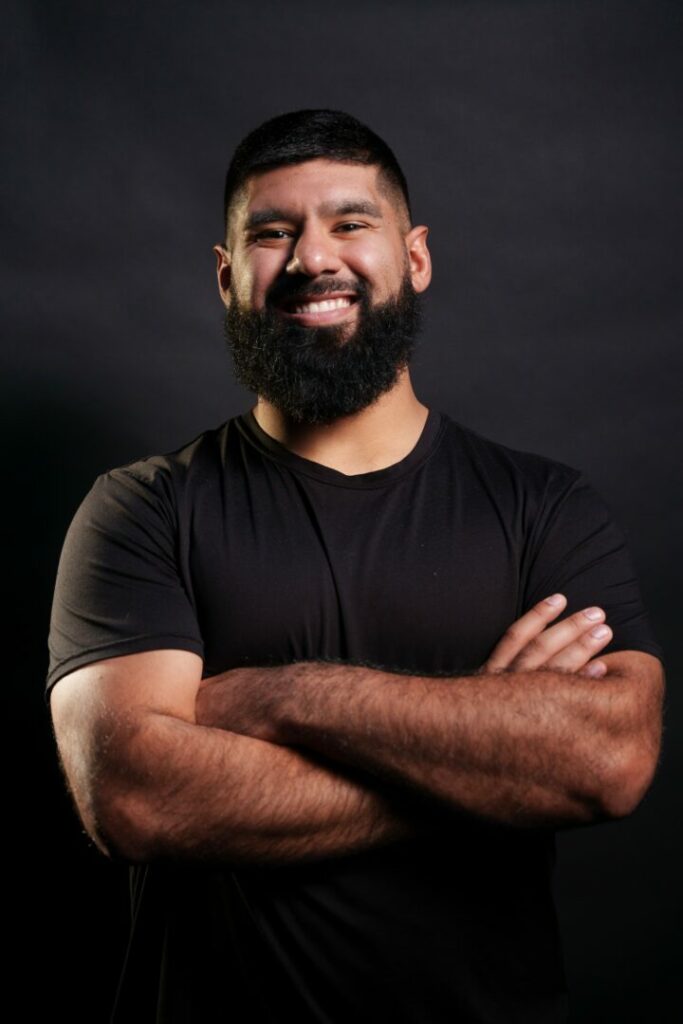
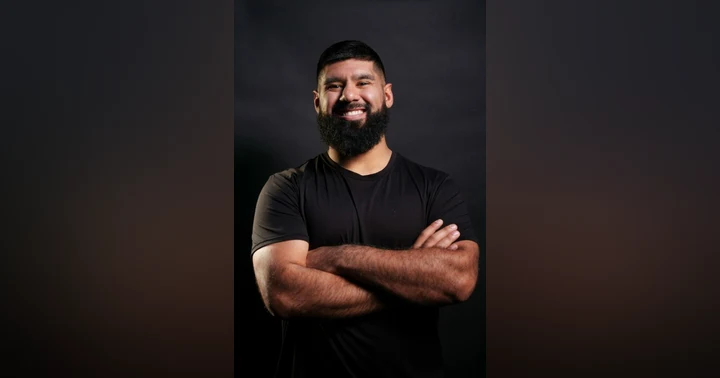
CEO and founder of IE Health
Ben Nevares embodies the transformative power of movement and intentional living. As the CEO and founder of IE Health, he combines his academic expertise - including a Master's degree under renowned strength coach Dr. Mike Stone at East Tennessee State University - with his personal journey from addiction to athletic excellence. A former Team USA competitor and multiple medal-winning powerlifter, Ben has channeled his experiences into helping others transform their lives through fitness. Beyond his role as a highly certified trainer and sports performance specialist, he hosts the "Ben Thinking" podcast where he breaks down complex exercise science into practical wisdom for everyday athletes. His approach blends cutting-edge research with compassionate, real-world application, making him a trusted voice for those seeking both physical and mental transformation through movement.