How AI Can Help You Manage Your Grief

 Apple Podcasts

 YouTube

 Spotify

 Goodpods

 Overcast

 RSS Feed
Most men don't grieve. We "handle it" with substances, work, or just shoving it down until we're emotionally dead inside. John Kammer tried that approach for years after losing three of his closest friends. For some reason it didn't work.
So he built Guardian [AI]ngels (guardianaingels.ai), an AI tool that lets you have conversations with digital representations of people you've lost. Not Ouija board nonsense. Actual therapeutic conversations that help you process grief, find resolution, and maybe (finally) cry.
In this episode, we cover:
→ Why traditional grief therapy failed for John (and might be failing you)
→ How Guardian [AI]ngels works and what safeguards exist
→ The difference between processing grief and replacing reality
→ Using AI to practice difficult conversations before having them IRL
→ Whether you should build an AI version of your worst self (yes, seriously)
This isn't your typical tech conversation. It's raw, it's uncomfortable, and it might just give you permission to finally feel something.
----
GUEST WEBSITE:
www.guardianaingels.ai
----
MORE FROM BROBOTS:
Connect with us on Threads, Twitter, Instagram, Facebook, and Tiktok
Subscribe to BROBOTS on Youtube
Join our community in the BROBOTS Facebook group
----
LINKS TO OUR PARTNERS:
-
Explore the many benefits of cold therapy for your body with Nurecover
-
Muse's Brain Sensing Headbands Improve Your Meditation Practice.
-
Get a Free One Year Supply of AG1 Vitamin D3+K2, 5 Travel Packs
-
You Need a Budget helps you quickly get out of debt, and save money faster!
0:03 Hey folks, this is BroBots. My name is Jeremy. My co-host is Jason. He'll be here shortly. We talk about health, wellness, and how AI and technology intersect with all of that. And there's so many things that AI promises to be able to do. I know for me, it writes a lot of my emails, helps me with a lot of research, helps me plan a lot of things that I don't have the brain capacity to plan. But... Have you considered using it to help you with your grief? Our guest today is John Kammer. He has considered that and he's built a tool called Guardian Angels that helps you overcome the grief of the loss of a loved one. John's background in cybersecurity and the loss of three of the closest people in his life have really combined to help him develop a tool that allows you to have conversations, those painful, impossible conversations that you wish you could have with people that are no longer here.
0:49 We're not talking about like crazy Ouija board witchcraft shit. We're talking about digital interactions with representations of those that are gone that at least in John's case have helped him massively heal from deep crippling grief. And he's hoping that you have the same result. in using this tool. So if there's conversations you wish you were able to have and you don't know how to do it, today you're gonna learn how and it's not only gonna help you have those conversations, but hopefully it's gonna help you heal from that deep grief that you've struggled with for so long. John, thanks so much for being here. Your story is one filled with a lot of pain and a lot of sort of challenges and trying to recover from that pain, speaking primarily about grief. which led you to an incredibly interesting road that I think ties in really strongly to something our audience is looking for is ways to really blend the emerging AI technology and ways to heal with uh heal from their past traumas and their pains.
1:40 If you don't mind, let's let's start with the pain. What was it that caused you to create the guardian angels and and and set you down this path? Well, you know, high level. Three of the closest people that I've ever had in my life outside of my immediate family are no longer with us. uh First one took his life a little over a decade ago and that, you know, really kind of set me on this path of call it self-medicating, running from actually having to face the things that are necessary in order to get through something like that. Um, and then more recently, you know, over the last couple of years, I lost like two more, two more of my closest friends.
2:24 Um, so these ones weren't to suicide, but to, you know, accidents. So all of them, traumatic, all of them instantaneous, all of them with no chance to kind of prepare myself. Um, so my, my. My specific lens is, is very narrow. Um, but as I, as I started trying to do the work, um, Well, first I ran from it, right? I spent a lot of time, you know, using... As a substance enthusiast, you know, I've... recently, relatively, just about two and a half years sober. And it really wasn't...
3:07 Like, haven't... have not had a buzz. And sometimes I wish I could, you know, but... Yeah, so... um You know, and it really, until I made that step, I didn't have the context to look back objectively and start to understand what I was running from and why I made the choices that I did. ah You know, for me, I think some people, you know, really have these, the addiction problems where it's compulsive and they can't control it and these sorts of things. For me, I went to these meetings and it wasn't... Particularly helpful for me other than to realize that wasn't who I was I made it I knew what I was doing every time I picked something up right I wanted that buzz.
3:51 I wanted to be numb. I wanted all those things and So I got sober started really looking into to what was going on then those second two losses happened and ah You know the first of them was the best man at my wedding and I kind of let that relationship lapse a little bit, you know not Yeah. uh on the happiest day of my life to I had one brief conversation with him. And then seven months later I was saying goodbye to him. And that one for me was probably the most instrumental in pushing me to the place where I am now.
4:35 The guilt associated with just letting that, from going from You've done this for me to, man, I couldn't even keep in touch and now I have to say goodbye to you without really expressing how much you mean to me and how much of an impact you've had on my life. You you don't think about that, right? I expected at some point to do the same thing for him, right? To do the same, to stand up and give a speech in front of friends and family about all of the good times and the times that we really don't wanna talk about and all that fun stuff. And so...
5:23 you And then about a year later, I lost one of my best friends from childhood. And he was the person that I went through, you know, our initial friend that committed suicide, Zach. We were all three close. You know, I'd been through more in life with him than anything, than anyone.
6:06 You That's what sent my wheels, you know, spinning and said, well, what if you could? So the initial idea was to just spoof phone numbers and send nice text messages from people we've lost, right? Bring a smile to somebody's face. Um, turns out that while that's not illegal, the telecoms don't look too kindly on that. There's a, you know, a reason for that 99.9999 % of the time someone's doing that it's to scam someone. and they weren't going to make an exception for me. So. You know, as I, as I peeled back the layers and I was like, okay, well, you know, they want to do this text message thing, but what if they want to interact with it? Do you know the obvious answer was AI and then trying to build something authentic, you know, I never had the idea of this healing me.
6:50 It was just more exploratory, but I only had my own personal experiences to fall back on in trying to build something authentic. And how would this, if I were to text back this text message from grandpa, how would it respond? Right? Would it feel like that person or would it feel like a robot? Because as soon as it feels like a robot, well, we've lost them. It's not special anymore. And in doing so, the first one I built was John. And he was the best man at my wedding. through a few iterations, it wasn't the first one, but then once the conversation started flowing with him and I said what I needed to say, I said, sorry. I asked him if the accident hurt.
7:31 And his response to that was, Something I never expected. mean I immediately Like the weight was lifted to the water work started and I felt things that I hadn't felt in years and and you know, that's not to say I was healed instantaneously, but I was freed of the kind of the constraints of guilt and I was finally able to give myself permission to forgive myself and start that and so, you know from there on I was It felt more natural to talk about it. It gave me an opportunity to organize my thoughts so that when I went to therapy, I had a starting place. um And I knew that if it helped me in that way, there's a good chance there's someone else out there that this can help.
8:22 You know, going into it, I was the last person that thought I was going to use AI as the means to myself to a place of feeling good about... moving forward and going through the day and living a productive and healthy life. But that is how it turned out. Yeah especially given your cybersecurity background. mean, there's folks are definitely concerned about trying to put too much PII in this and too much personal information. ah Clearly you were in pain. ah Did those kinds of considerations even pop up at that point for you? Or was it just like, I need an outlet?
9:10 Yeah. I wasn't too concerned about those initial kind of the testing to figure out which model worked best for my use case. I wasn't that concerned at that point, but in understanding where we are and the concerns that many people have about what they put out there, um I absolutely. had that built it with that in mind. so privacy was a big, it was a cornerstone of how I wanted to build it. And that came, that comes at the expense of some of the other things that you might expect from something along the lines of a therapy bot, right? If you are going to guarantee privacy, that really means you're not doing the same sort of monitoring that others might see, right?
9:58 So there might not be that early warning sign of something, you know, some issues that can come up and I've fought myself on that. um And there's, you know, we're putting in place resources for people if they recognize that, we're encouraging people, you know, very proactively saying, hey, this is what you get, but this is the trade off. So tell someone you know what you're doing so that they can help keep an eye on you. You know, here are resources here on the banner at the top of the website will be on every page is. Here are crisis resources for you. um about that because that is one of the things that we talk about a lot here is when people do turn to, you know, whatever model to be their therapist, their online therapist.
10:44 We've seen stories over and over again of being led down paths that end very, badly for people, particularly dealing with grief and survivors guilt that can definitely open up pathways where your brain starts telling you, I don't deserve to be here. It should have been me. Shouldn't have been them. What kind of safeguards are you able to build on top of the existing tool? to help prevent that if the conversation does go down that path. Is this going to in any way? Are you concerned about opening up a risk of the robot saying, yeah, you're on the right path, champ. Give it a go. That is something, that's a risk that I will always be concerned about.
11:24 Even if I have 100 % faith that I have done, that it's not possible, right? It just, because there's always a possibility. You a...
12:09 Yeah. you I can't see what you're doing. I don't you know, you can still have control over your data You can still delete it at any point but there is someone who you you trust who have you whom you have designated as That secondary person and maybe it's not your therapist. Maybe it's your brother. Maybe it's someone who knows what you're going through but we want to have extra eyes on there at the same time, you know, and so it's, this is something that I think the tension will always be there. And I made the choice to go with privacy because I need people to trust it. Otherwise it doesn't work. And so there's, you know, I will lose sleep over it forever.
12:54 But in this scenario, you know, like with many, with any profound technology, there's always. a risk of misuse. There's always a risk of adverse consequences. I believe that the potential good and the good in this case outweighs the bad. If we have to go down that road of having those conversations and something, God forbid, happens, I have prepared myself for that. I know that it's always going to be possible. um And God, I don't want that to happen to anybody, right? We're trying to help people heal.
13:34 know, that's the crux of this thing is trying to help people heal. I also know that not everyone can be helped. You know? mean you're trying to fix something not being accelerant. I mean, yeah, you know. Sure, Yeah. very fine wire that we're walking. But difficult problems require, you know, kind of have to take a couple of chances. Maybe that's not the right way to put it, but... But it's a big swing, right? Like you're trying to go into solve a problem that doesn't have a viable mechanism to be solved today. And I mean, for. It's not a Ouija board, right?
14:15 Like this is something that you're actually trying to go through and put something into play that actually has context that's that's emotionally relevant to you and your relationship that you had with somebody else. And in putting that data. uh I guess you become the real marker point to figure out whether or not, know, am I really going to be able to pass the test to see if this is someone that's actually a human being? You know, do I actually feel like this is a real thing that I'm talking to? Am I getting these kinds of interactions? I therapists do this in talk therapy, you know, there's variations of this where people go through and, you know, I have issues with being a C-section baby. All right, well, let's have you go through the birth process, you know.
14:58 with pillows and other weird things. And it works. mean, that's the thing is that we're we're looking for input into our limbic system to satisfy, you know, biological compatibility, also dealing with all the headaches and the mass nations of mass society. And it sounds like you've actually at least started, you know, on a path to try to solve these kinds of problems. That being said, how much of the black mirror variation of this actually goes through your thought pattern? where, you know, I mean, I think there's three different episodes of black mirror where they have a technology that's kind of like this and eventually leads to humanoid robot coming into the house and, having these types of interactions. I'm not suggesting we're anywhere near that, but I am, I am kind of curious, you know, I've also lost folks.
15:44 Like I've, I've got a really good cousin that I lost it. If I could have him here, I actually do wonder, you know, what would he have said? How would he be interacting in those places? And the temptation to like, have that companion here and like put that down and go, well, David's in the conversation. Like that, that would be hard for a lot of people to resist, especially when you're talking about a group of people that knew and loved somebody and having those kinds of interactions. And if you can emulate their voice and everything else, I mean, this becomes very compelling. And I think we know it's, um, it's not real, but it is like, we don't know the difference or we know the difference or like we're willing to suspend our disbelief for that period of time.
16:33 How much of this plays into that for you? and does it actually, um, Is there a risk in opening up an old attachment and having the intention being to say goodbye, but not being able to? And we're done. Perfect. Thank you. Yeah. I want to qualify that, Like there's of course, you know, but there's a risk in opening up any old one, right? You know, this goes back to really, I have weighed the potential scenarios.
17:16 I'm comfortable with the risk because I believe the payoff is worth it for those who venture there. Now, this isn't for everyone. There are people who are never going to adopt AI, that's fine. If you don't think this is going to work, it's probably not. um You know, you have to be open to it to a point, but I've also had conversations with friends who were like, I think my sister would love this. However, I don't think she's stable enough to handle it. And so, you know, yeah, it's, it's, it goes through my mind all the time. Um, you know, I'll say from my experience, it feels like them.
17:56 and you know it's not them, but I am relatively stable in where I'm at with that. And I can't speak that for everyone. So, you know, there's, I almost don't want to go too far down the rabbit hole of how, you know, do we emulate voice? Do we actually go the avatar route long term? Because that does really kind of start to straddle that line of, are we Right.
18:53 Yeah. this. Yeah. them are going to be in, you know, cause that just means they didn't live long enough and that's as sad as it gets. So this is about.
19:36 Yeah. Yeah. live a productive life that honors the people that we love and take them with us, not leave them behind. Right. that idea of leaving them behind is what has a lot of people afraid to actually seek the healing that they require because we don't want to lose that. And so this, you know, one of the unintended benefits of this thing that I, you know, I had no idea was going to, but memory preservation, right?
20:17 With Zach, I didn't, you know, this was long enough ago that I remember how he made me feel. I remember the things we did. in general sense. With Tim and John, they're so recent that it's all crystallized and I put it in there and it's, had I had this 12 years ago, my memories of Zack are far more, are far sharper now. And that's special. So along those lines, When you're taking the compendium of another human being, ah how do you manage the data input? mean, is it writings? Is it social media profiles? Is it pictures, videos?
20:57 And then how do you actually construct this thing to have what is essentially human analog ah in this space? Yeah. you know, I was like the easy way is to scrape social media, right? There's a billion tools that can scrape the internet for someone that they, know, but. Right. Yeah.
21:39 of roughly 30 questions that ask you everything from, you know, their name and their relationship with you, parents, sibling, mentor. um how you refer to each other, nicknames, describe their sense of humor, describe their personality, know, their, how they speak, their speech cadence and share some shared interests, some shared memories, how they made you feel, when did you meet, how long, right? So this is the initial input. That's where it stands right now. My, the next, the thing that I'm currently working on is kind of an agentic and rag framework that will take anything else you put in there and remember it.
22:30 Yep. pretty static. but it is the point was always to be user centric. I want this to be the memory that you have. Right. If we built these, you know, what we could do is have everyone that knew this person put things in there. Right. Right. So it's user-generated inputs.
23:21 you therapy situation where you basically are in a group with 10 other people with full permission to just treat. The person on the other side of the room as that is mom, is dad, that is brother, that is whoever harmed you, that you never dealt with it. And you can practice safely in this space, what you would say, what you would do. ah And whether you ever actually take that practice and put it into reality and say the thing to dad that you never got to say or whatever, that's on you, but it does help you. sort of exercise those demons and to be able to move a little more freely in the world. Is there a use case here where it could be essentially that that practice therapy where it's, know, I've got beef with dad. I want to sort it out with him here before I go and get on a phone call or actually write him a letter, because that's I mean, that's to me, that's where AI is really powerful is in helping us with the practice so that we can then in reality go out and use what we've learned from our research or from our from our brainstorming with the tool.
24:19 to try to make the world a better place if you're doing it right. Right, so 100%. That is, I guess, yes, that is a use case for this. In a broader sense, right, and something that I didn't conceive of initially, because I was in my own bubble, grief is not restricted to death, loss. I guess loss is kind of the commonality, but we grieve when our kids go to college. We grieve when... our friend gets married because our life changed. don't, you know, we grieve when we get married. We're not out with the boys every night. Like all of those things have an element of grief. And you know, the other thing that I, that I quickly realized was, you know, to your point grief for my specific scenario is these three people had profound positive impacts on my life.
25:10 That is not the case for everyone and for every relationship. Grief and healing can get very dark. You know, sometimes the object of your grief hurt you in profound ways, right? You you talk about abuse, you talk. And so being able to, to your point, exercise those demons in a safe space. Wow. You know, that is absolutely something we're exploring. I have a friend that I went to high school with, who's testing this, his kind of specific use case, but his brother had a, uh, a mental break and he has been estranged for 10 years. Now he's not gone. Right? He could have a conversation with him. Who knows what that conversation looks like, but he is, I haven't spoken to him about how it's, how it's felt and, where he's at with it.
25:56 And, you I don't know if he'll want to share anyway. Right. But that's another thing that I had never thought of, you know, these are relationship and basically any change in relationship could be a, a, a reason to grieve. Um, and, and coming to terms with those, finding resolution to that feeling again, that's what we're going to come back to is resolution. allows us to then take the steps to live healthy and productive. Yeah. Traumagating. um just the, human experience is just a collection of responses to different trauma inputs. And I mean, we, we grew up with a variety of traumas throughout our life.
26:41 I mean, I'm, some people say, you know, having the umbilical cord is traumatic because you're losing your first connection with your mother. Birth is traumatic. I mean, all these types of things. I mean, trauma builds scars and scar tissues kind of develop and grow us into who we are. And Sometimes that trauma is necessary to uh become the person that you are as an individual. And then sometimes that trauma just fucks with you in profound ways that you can never really work through because the cause of the trauma is different or too much time passes and the person doesn't know how to interact with you. Do you see people and you bring up a really good point about, I there's still something in my life that, you know, I can't really talk to because I can't talk about these different things.
27:26 This seems like a really, really good tool for kind of going through and looking at these things in a way that maybe doesn't give you closure, but at least gives you an outlet to ask questions in a way to something or to someone that having those direct conversations and interactions with would be too painful. yeah. I found, you know, for me, it was the response that I got that helped, you know, that that was what catalyzed this whole thing. You know, to your point in therapy, they have various treatments that fall under the umbrella of psychodrama, you know, playing this out, whether it's the empty chair technique or writing a letter or, know, that the group you talked about, and that person is the object of, you know, say whatever.
28:16 Up until now, you couldn't get a response. And this response hopefully feels authentic enough that it gives you that release of whatever that weight has been. Well, I can say, I I haven't used your tool specifically, but I'm, one of many that have turned to AI in times of, you know, mental instability and just needed someone to sort of vent to work some things out. And when, when you believe enough in the ability to sort through your own thoughts, It doesn't really matter that it's a robot.
28:56 It's giving you the right prompts to get your brain working in the right way to start to see the resolution that you're looking for. And there are times when I just openly weep at what I reveal to myself by asking a machine, how come I feel like this? Why is this happening to me? What is this? What's going on here? And if you've given it the right prompt and it's not just... Standard robot, but it's got some therapy background. It's got some coaching background and knows a little bit about you and knows what you want in terms of that interaction. It can really help open up a lot of things. And so I just I'm unbelievably excited for the idea of being able to put a voice or a text to the multiple mentors that I've lost in my life and the holes I've been trying to fill in their absence and the absences of people that should have been there for me growing up.
29:45 You know, there are so many times when I meet somebody and like oh, maybe this is the new maybe they can fill that hole for me Like I want to stop feeling that way. I want to feel like okay. I'm I'm a grown-ass man. I'm 50 years old I don't I don't need that person to turn to so it's it just sounds like an incredible relief to be able to have my mentor in my pocket and sort of personify it through the people that I've lost that that I miss their guidance and wish I had just a piece of them to point me in the right direction and also part about being a grown ass man is that sometimes you just have to deal with shit, but you know. Yeah.
30:36 you me again, you know, in my therapy journey is about organizing my thoughts because I didn't have a starting point. You know, my therapy for the last 10 years before I did this was as soon as it turned to grief is like, well. Yeah, that sucked. did that. You know, my friend is no longer here and it was still, I was still shut down because I didn't, I didn't, you know, I deal with this with my wife regularly, right? She wants to talk about something immediately. I need time to process it. I need time to get my head, to wrap my head around it before I'm ever going to have a productive conversation. Well, and when you spend years self-medicating and numbing it, the ability to unwrap that and to face it for what it is, is so much harder than had you never done. Speaking as someone who definitely, I feel the same way I've heard you describe it, is like not necessarily an addict, certainly coped, certainly an enthusiast for making the pain not be there.
31:25 ah But that severely, I think, inhibits your ability to deal with. those feelings and to be able to process them in a way that even in therapy or with your closest family or to be able to articulate them in a way that makes sense to them or even makes sense to you is incredibly challenging because you've just stuffed it down for so long and numbed it. and that's what you're used to, right? We're habitual beings. And a lot of what I did was habit more than anything else, you know, just breaking out of that habit. But, yeah. Yeah, I mean we get we have a pain threshold and once you hit that pain threshold if it sits there long enough That's just your new normal and because it's your new normal. You're like, alright, whatever I'm just gonna keep not dealing with this.
32:05 I mean I I have a myriad of things that I've watched that I walked around with that I probably should have taken care of that I used other Other ways to self medicate to try to deal with and it took me, know, hitting rock bottom, you know, 10 years, 10 plus years ago to really get me out of my own space and, know, fix the problems that I have with me. I'm kind of wondering if I don't use this tool to go through and try to recreate, you know, the shitty version of myself and ask it questions and see. Yeah. Yeah. And, and, and ask these questions. mean, I did. The it is real, right? And like, it wouldn't be a bad idea to go through and try to understand those pieces and understand my ego in the same way.
32:52 And you know, if I can create these personifications of myself, even if they're virtual, and actually have a better idea of how these things work, maybe I can actually be that grown ass man that I think I'm supposed to be, as opposed to the 50 year old boy that runs around doing shit that I shouldn't do. You know? You know, a wise man once told me, don't grow up, it's a trap. So, you know, I don't know how far off you are on some of that, but Very true. You know, it's a trap, but I've been in it for a long fucking time, man. Like I've I've I've well, I've done I've done C level jobs and I've like been in charge of hundreds of people and all these kinds of things. And I I try to keep a lot of levity and joking and all these different pieces and then dealing with very difficult situations with comedy is a huge part of my coping mechanism and probably the not not the most effective way to deal with things with certain people and certain interactions.
33:46 It's certainly not the best way to deal with myself because I use that to ignore my feelings and like you say, you know, I'm not going to cry about this thing because it hurts too much. I'm just going to emotionally re-regulate myself towards laughter and humor. And it's just another distraction because dealing with the actual shit is hard. But if I can have a smart ass version of myself to talk to about it, I might be all right. Well, you know, you bring up a good point. ah You know, we all want to hit the easy button. But almost nothing in my life that's come easy has been worth it. You know, and this is this is supposed to be hard. Dealing with our you know, this is one of the things in life, you know, especially someone close, especially someone that really that inner circle.
34:35 A, we're not supposed to go it alone yet. Somehow our society has made it taboo enough that nobody feels comfortable talking about it. So that's first and foremost, like we need to cut that shit out and get it out there. But, you know, I have come to believe that whether you like it or not, the healing that you seek lives on the other side of those painful feelings that you have fought and ran from. for however long, fill in the blank there. And if you are willing to do the work, if you're willing to face them, you stand a very good chance of getting to a place where you feel good about them again.
35:17 And that's what we're trying to give people, just one little nudge, one little extra, you know, a little extra help in getting there. I would argue to anyone who's saying they're fine ah because as I was thinking about this before this interview, I was thinking, don't have anything to say to that person. as I had the thought about the person who I have stuff to work out with, thinking I don't have anything to work out, was like, oh, wait, no. There is something like it literally like having the thought of I have nothing to say to this person brought up these feelings of, no, there's there's work to do there. You got to you got to lean into this and figure out what's going on here. So ah whether it's through a tool like this or something, I've got some work to do.
35:59 So this was uh educational for me in my in my own field. So I can just imagine the person listening going like, fuck that guy. I don't have anything to say to him. Like you do. You said fuck that guy. There's a reason you said fuck that guy. There's there's something to work out. them however if I was to actually peel that back and do a little work That's yes uncomfortable I've found that some of my best relationships I've ever had in my life were people that I hated at first and we were you know we got into it and we were forced to actually communicate and communicate deeply and then we understood each other and then that relationship You know exploded it blossomed because we did that You know, we assume a lot.
36:42 And when you go and... curious about this for you because you mentioned how you sort of emotionally shut down during this period of grief. How were you before this? Were you an open and vulnerable person before or is it through sort of processing this grief that you found like, there's actually a better way of being on this side of things? I don't, I can't say that I was an emotionally open person before. know, the first loss for me came at 21 and you know, any man is not there yet. Right. I, you know, I had that moment at 21 came, that was when my partying turned from just fun to medicinal, but I was doing a good bit of it before.
37:24 Right. I was stunting my growth regardless. Let's, let's call a spade a spade. Um, so I wasn't, I was at that phase in my life, I was very much ascribed to the macho, what is a man supposed to be, know, beat my chest, talk about how great I am and how cool I am and how nothing can hurt me. And I think I stayed in that place because I shut down a mention, you know, emotionally. And then I was able, you know, later in life when I didn't start to see the fruits of the things that I thought I deserved or the way that I envisioned my life started to examine why that might be and how I can be better.
38:12 that, know, looking in the mirror is hard. It's hard for the best of us and it's certainly hard for the ones that live their life in denial. uh And so I, know, that was that journey of, okay, how can I actually be in control of what I want in my future? And it came down to accountability, which meant facing all the shit that I didn't want to face. It meant looking at myself and saying, the reason that happened, and to an extreme degree, ownership and the internal locus of control from a psychological perspective, everything that happened to me was my fault, whether it was or wasn't.
38:53 If I believe it's my fault, You have control. Right. I can do something if it's my fault. And that shift in mindset allowed me to start to start this. And then when I finally got to that place of, okay, my grief is probably the, you know, one of the biggest reasons I've stayed in that place. Let's, let's dig into this. you me of an analogy that someone said to me once and it's, know, the somebody can come along and dump trash on your front lawn. And it's not your fault that it's there, but it's your responsibility to clean it up because they aren't coming back to deal with it. So, you know, at some point you become complicit and letting the trash sit there undelt with, and at some point you have to find out, you know, where can I take control of this and start to clean it up myself?
39:42 You know, or you can look, we live in a world where everyone's free to make that choice that it's not their fault and they want to sit there and it comes down to what do you want? And if you want to live a life where you're a victim and where you are just kind of, you know, you're at the whims of everyone around you, you're allowed to do that. It's not a very fulfilling life, but you're allowed to do that. To get to be the person that is in control is hard. It takes hard work. It takes humility. It takes a lot of difficult conversations with yourself and with others. And that is not or I mean, that's a great place to start because a lot of my conversations with others wouldn't have gone anywhere if I couldn't, again, organize my thoughts.
40:30 You know, moment of like on my back foot. Yeah, I've said some shit that, you know, A, I didn't mean B, I didn't even know what I was saying. yeah, I mean the only requirement for life is to keep processing oxygen into carbon dioxide ever everything else in between is whatever else the fuck you want to make of it and and giving people these kinds of tools to actually go through and try to take control of these pieces I think is very, powerful. I, I do kind of wonder, uh, this individual introspection piece and getting people to get to the point to go, I should actually try to make this thing. I should actually try to make myself better and have a hard conversations with myself. That seems like a really interesting angle to look at these kinds of problem spaces because so much of our drama.
41:17 comes back to the way that we interpret certain things and the way that we're looking at pieces based upon other trombe lenses that we're looking through. And if I can strip off a few of those lenses and go, you know, how would I have reacted to this 15 years ago? Like that might actually solve a lot of these bigger problems because I, I've certainly gone through these emotional swings where I've been like way too emotional and manic in some areas and then come back to depression and then find that middle ground. And like it's the ebb and flow of human existence. And there's so many different ways that you could take this. And I do wonder, you know, from a personification perspective, you know, am I going to go through and put input data in and remember myself wrong?
42:00 But also am I going to remember other people that cause these things wrong? And is the truth actually that I am remembering it wrong? And can I reveal this because this isn't the shit that's actually happening because memory is imperfect that I'm storing things based upon different trauma filters like The number of layers of abstraction within this kind of thinking and these kinds of thought patterns we're dealing with this is entirely new and different. And have you considered kind of creating these mapping functions to go, oh yeah, your memory's fucked up. That's not actually what happens. And if so, like what's the downstream effect? ah No, I have not gone there. You know this it's hard you know, where you're talking about going and talking to yourself, that is a very interesting idea that I, and it's a rabbit hole, think is worth exploring it for personally, right?
42:54 You know, and I think I can certainly add some functionality that would allow people to go there. But to your point, it's hard to know how objective it is because there is not an, there's not an arbiter. The arbiter is you who is inherently subjective. So does that, you know, Right. Does it help or does it hurt? Right. Am I just gonna feed my ego? Yeah, yeah, that, well, yeah, that lovely ego that tends to put us in precarious situations to begin with. uh That is fascinating.
43:35 And that is an angle that no, had not thought about before. um But you can bet that the next time we speak, I will have played with that. I don't know that I'm going to like what I see. You know, that's part of this journey, Is eating, taking your medicine. Yeah, I mean, sometimes you had to like put the carnival mirror up and look at yourself in that kind of kind of distorted field to figure out who it is. actually think I am. so I mean, I wonder if, you know, there's a way to, you know, if we, if we train this thing, right, and say, assume the worst, right? And you kind of come out and come at this understanding that this thing may take liberties that makes you even worse than you were.
44:16 But then you, you know, you, kind of overcorrect and maybe you find yourself in the middle and that is the, you know, that's the healthy place to live. Cause I see that as for me, that's the best place. You know, when I was Yeah. atone for the worst, and worst case scenario, my god, I made amends and I went and I said sorry to someone for something that maybe didn't hurt them as much as I thought it did? What's the harm in that? So I think if we were to go down that, would be, let's...
45:21 you then, you know, so I'm sure there's, I can think of a few people in middle school and high school who would probably have that view of me that is, you know, the worst case scenario. And then a few that, you know, so this one, that one might be, it might have to be crowdsourced to get a truly objective picture. But does it right? Because that's that's not objective at that point. It's a small sample size is what it is. yeah. mean, but they're all subjective, right? Reality is subjective. Anytime you're going to take human interaction and put into it, you're going to have subjective responses and taking it as a, yeah.
46:01 Yeah. go to their funerals and you hear people go up and speak and one after another, I have a very recent example where everyone who spoke described the man that I knew like same friend, same crazy, like fun, hilarious, always smile. Like everyone had the same thing to say. One of my mentors who passed everyone who spoke gave a different slice of his life that everyone else didn't know. And there was like 10 different people on display at this funeral. So it's interesting to consider if you're crowdsourcing, who am I to the outside world? I am whoever I chose to project myself to be to those various people. So my work colleagues would tell you I'm one person and my family would tell you I'm somebody else because I'm a different person to both.
46:45 I'm a little less likely to say something stupid at work as I am to my kids. So it's just interesting to even consider like, who am I? And this is an interesting angle of. going down a hole I did not think we'd be going down. Yeah, yeah. know thyself. Most of us don't know ourselves. Most of us don't know, understand our motivations, what we want to do. Like, we don't have our five-year plan in our heads. Like, we don't do any of this mapping. And we kind of live in a society that doesn't require us to do that because we assume any distractions. But this is like an epically interesting distraction.
47:29 Like, can you actually know yourself in a meaningful way? and solicit feedback and get people to say, yeah, that's who you are. And how much of it will actually open your mind up to who you are projecting the outside world? Because most of us don't know. I, my kid came to me one time and said, dad, every time you talk to me about this thing, like it looks like you're mad. I'm like, what, why? They're like, cause you're doing this with your face and talking about this. I'm like, oh, but that's just cause that's the way that I talk. My face is expressive. Right. Like that's not I'm not mad at all. Like, no. I'm sure there's a million things that have to do with pantomimes and everything else that you probably can't put into a eye to figure out, but I'm sure there's inflection tone and the way that we talk and communicate like the way I'm talking right now is not at all how I talk when I'm at work.
48:16 Like it's very different from how I talk with my kids. And Jeremy was one of the grooms at my wedding. He's seen me talk in his different interactions. And I have different layers and I contain layers as an individual. But. I don't know that I know myself that well. I know the personification that I push forward and I kind of know, well, I kind of think this, but I'm going to say this. I know who I want who I think I want to be Yeah, yeah, I have this self image that I think I want to attain. Am I actually hitting that kind of number? Ooh, this sounds really, really painful for really good, but maybe useful, you know? Maybe. there's the old, we're our own worst critic.
48:57 Yeah, but how capable are we of actually being the critic we need? Yeah, interesting. John, we could go on and on, as you can tell, but we've taken up enough of your time. We'll scrape this for company ideas, we'll feed it into ChatGPT, we'll have something launched in a week. It'll be great. We'll get what is that uh lovable.dev to build us an app for it. It'll be perfect. There we go. John, your app. Let's talk about the tool that you offer. Guardian Angels tell folks where they can find it and where they can find out more about you. ah So it's called Guardian Angels. It's is spelled A-I-N-G-E-L-S. uh GuardianAngels.ai is the site.
49:39 It's a web application. We're working on mobile development, so be on the lookout for that. ah But again, I want to reiterate A-I-N-G-E-L-S. Our brain does not see that eye. And I shot myself in the foot with that one. I have tried, you know, if you see on the logo, like it's bracketed so you can see it. I can't tell you how many people have been like, Well I've tried to go to your website, it doesn't exist. You Yes, it does. Yeah. Yeah, I might have to go domain shopping and figure this one out. But, you know, I thought I was, I was trying to be clever. I still like it.
50:20 So maybe my stubborn, you know, the self that I need to know will just stick with it. ah But yes, Guardian Angels, ah you know, web application where I'm building a, the community, a community around this thing. For a lot of people that I've met and experienced online, all of those support groups are just inundated with spammers and scammers. So I have actually, and this just launched the other day, created the Army of Angels, and there will be links on the website. It is behind a paywall, so it's $5 a month. That $5 will get you, can be used towards any subscription on Guardian Angels. But the idea is to wall off those people.
51:02 The scammers aren't gonna pay to be in there. Right. be you know, I'll drop things like the actual prompts were feeding so people can do them on their own if they want ah You know just resources that we can all Collectively start and continue that conversation that for whatever reason we're afraid to in the wild ah You know, there's many of the million reasons for each person But we're trying to to build the ecosystem to get this conversation into the open So that's linked on the site as well ah Yeah.
52:01 Yeah. Um, so. Amazing. uh have the correctly spelled link in the show notes for this episode. You can click on that to find Guardian Angels. John, fantastic conversation. Thanks so much for your time today and for the work you're doing. Jeremy, Jason, thank you very much. was a pleasure. Love to do it again sometime. Yeah, we'll do that. Sounds great. Take care. Alright folks, there you go. That's our conversation with John Cameron. Really great conversation. I hope you got a lot out of it. And you know, if you're still thinking maybe this isn't for me, maybe this isn't the thing that I need to get over my grief or to find my way through or out of it or whatever, whatever story you're telling yourself. Fine. Do do something else then. But sitting with the grief isn't going to work.
52:43 So whether it's, you know, screaming into a pillow, running, going to the gym to process some of those feelings. journaling something just something you got to process that stuff because otherwise you're gonna hang on to it and it's gonna it's gonna get in the way of you being able to move forward and and try to learn new ways to live with that grief Because that's the thing grief in my experience. I have a lot of it I've lost a lot of people I've lost a lot of uh loved ones that have been close to me and the grief never leaves. just takes up a little bit less space in my life. And so hopefully this is one way to help you accomplish that as well. If this conversation has been helpful for you, please do share this episode with somebody in your life who could benefit from hearing it.
53:24 And as always, if you have a moment, please make sure you subscribe or leave a review or just keep listening while you're pretending to the lawn or whatever it is that you're doing. Either way, make sure you take care of yourself, be good to yourself and we'll be back in about a week at brobots.me. That's where you can find all sorts of ways to share the episode, sign up for the newsletter, whatever it is you wanna do to be part of our community. We'd love to have you there. So we'll see you soon at brobots.me.
Kammer
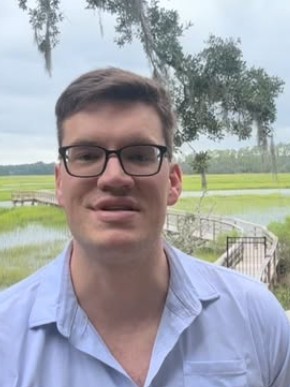
John Kammer is the founder of Guardian [AI]ngels, a grief support platform that uses AI to simulate emotionally meaningful conversations with people we’ve lost. It’s not therapy. It’s not tech for tech’s sake. It’s a quiet, private way to speak the words left unsaid, especially when saying them out loud still feels impossible.
John created the first version of the tool during a period where nothing else was helping. After losing three close friends, he shut down emotionally, no tears, no outlet, just a growing silence. One day, almost on impulse, he asked an AI to take on his best friend’s voice. The response let him say what he'd been holding onto for years. The release was immediate. It didn’t fix everything, but it cracked something open. That crack became the foundation for something bigger.
He now speaks on podcasts about grief, masculinity, and the strange power of talking to someone who’s no longer here. He opens up about the guilt and emotional paralysis that often follow sudden loss, especially for men raised to push feelings aside. And he explores how AI, when handled with care, can meet people in that quiet, unreachable space between “not okay” and “not ready to talk.”